

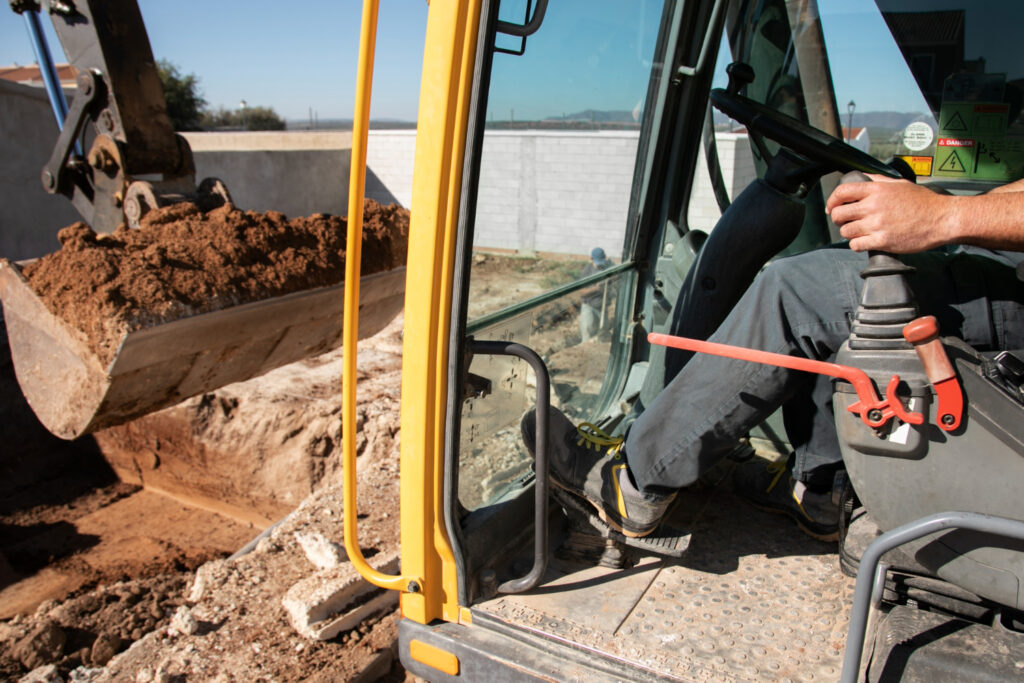
Large-scale construction projects depend on earthworks that are delivered on budget, on schedule, and in full compliance with regulations. From surveys and approvals through to cut-and-fill operations and final formation, professional earthmoving reduces risk and creates stable foundations for everything that follows. This article outlines the structured process that takes an earthmoving project from planning through to completion.
Why a Structured Earthworks Construction Process Matters
Earthworks sit at the base of every successful construction project. When this stage is poorly planned, the consequences are significant. Cost overruns, delays, and compliance issues often stem from rushed or incomplete early decisions.
A structured earthworks construction process improves predictability and efficiency. Developers and contractors benefit from clearer timelines, better resource management, and safer worksites. When risks are identified early, they can be managed before they escalate into costly disruptions.
Stage 1: Site Assessment and Pre-Construction Planning
Every project begins with a thorough site assessment. This includes topographic surveys to understand existing levels and contours, utility location to identify underground services, and geotechnical testing to assess soil conditions.
Environmental assessments and contamination checks are also critical at this stage. These steps inform approvals and ensure the project meets regulatory requirements before any machinery is mobilised. Accurate early data forms the basis for grading plans, drainage design, and construction site works.
Stage 2: Design, Cut-and-Fill Modelling, and Scope Definition
Once site conditions are understood, a detailed earthworks design can begin. This includes grading plans, drainage strategies, and cut-and-fill modelling to balance material movement across the site.
Clear specifications are established for compaction, tolerances, and materials. Deliverables typically include construction drawings, earthworks schedules, and quality assurance criteria. These documents guide the construction phase and reduce uncertainty for all parties involved.
Stage 3: Mobilisation and Construction Site Works
Mobilisation marks the transition from planning to active work. This phase includes site establishment, safety setup, and vegetation clearing where required.
Bulk earthmoving activities such as excavation, trenching, filling, and compaction are carried out in accordance with the approved design. Throughout this stage, safety controls are critical. Traffic management plans, plant separation, and operator competency checks help maintain a safe work environment.
Erosion and sediment controls are also implemented to protect the surrounding land and waterways. Measures such as silt fencing, stabilised access points, and water diversion systems help ensure environmental compliance throughout construction.
Stage 4: Foundation Preparation and Finishing Works
As bulk earthworks conclude, focus shifts to refinement and verification. Proof rolling and compaction testing confirm that subgrades meet design requirements and are ready to support structural loads.
Finishing works include trimming batters, installing drainage infrastructure, and stabilising exposed areas. Revegetation, whether temporary or permanent, plays an important role in erosion control and long-term site stability.
At this point, the site is prepared for the next phase of construction.
Quality Assurance, Safety Management, and Project Governance
Quality assurance underpins every stage of professional earthmoving. Compaction reports, daily site records, and inspection documentation provide traceability and accountability.
Safety management includes Safe Work Method Statements, regular plant inspections, and ongoing monitoring of site conditions. Regulatory compliance is maintained through consistent reporting and clear communication with clients and authorities.
Strong governance ensures issues are identified early and resolved efficiently.
Sustainability and Long-Term Property Maintenance Considerations
Sustainable earthmoving practices reduce waste and support long-term site performance. Reusing excavated material where possible and preserving topsoil can lower costs and benefit future landscaping or maintenance.
Erosion-resistant design, appropriate drainage, and native vegetation contribute to site durability. After project completion, routine inspection of drainage systems and early repair of erosion-prone areas can prevent more significant maintenance issues over time.
What Success Looks Like
A successful earthmoving project is one where challenges are anticipated and managed early. On a recent rural development, early identification of soil and environmental constraints allowed for timely adjustments. As a result, works were completed ahead of schedule without compromising quality or compliance.
Final Thoughts
Professional earthmoving relies on careful planning, disciplined execution, and strong oversight. A structured process reduces risk, improves outcomes, and lays the groundwork for successful construction.
If you are planning a project and need reliable earthworks construction support, engaging an experienced earthmoving partner early can make all the difference. Contact us to discuss your project requirements and how we can help deliver a solid foundation from the ground up.